The Escaper: When Staying Busy Is a Way to Avoid Your Feelings

"Of course I feel my feelings! I cry during commercials!"
I hear this a lot, and I believe it. Escapers often feel deeply, in a certain way. A sappy commercial, a sad movie, a touching story about a stranger. Those tears come easily.
But notice what those feelings have in common. They're safe. They're contained. They belong to someone else, and they end when the commercial does.
It's your own feelings that the Escaper keeps one step ahead of. The big ones. The unresolved, messy ones.
What Is the Escaper Pattern?
The Escaper is a protective pattern built on staying in motion. When discomfort rises, the Escaper moves. Stays busy. Distracts. Produces.
Psychologists sometimes call this experiential avoidance: the effort to escape painful internal experiences rather than feel them. But the Escaper rarely looks like someone avoiding anything. They look productive. Driven. Capable. Often admired.
That's exactly what makes this pattern so hard to see. Our culture rewards it. Nobody stages an intervention for the person who reorganized the garage, answered forty emails, and planned next month's meals, all before noon.
Signs You Might Be an Escaper
Your productivity spikes under stress
Rest feels uncomfortable, even agitating
Quiet evenings get filled with scrolling, projects, errands, anything
When someone asks "How are you?" you answer with what you're doing
You're present, but your partner may feel you're never fully there
When the structure ends (a vacation, a retirement, an empty nest, the finish line of a big goal), you feel lost, restless, or unexpectedly sad
Where the Escaper Pattern Comes From
Like every protective pattern, the Escaper formed for a reason.
Maybe feelings in your home were too big, and no one helped you make sense of them.
Maybe emotions weren't welcome, but accomplishments were.
Maybe staying busy was the safest way to get through a chaotic or painful season, and it worked.
Maybe you were praised for being helpful, responsible, and easy, and you learned that doing earned more love than feeling.
Whatever the origin, the lesson was the same: If I keep moving, I won't have to feel it.
The Escaper vs. the Lone Wolf
In my last post, I wrote about the Lone Wolf. The two can look alike, but they're escaping different things.
The Lone Wolf avoids needing people. The Escaper avoids feelings.
A Lone Wolf might feel things deeply in private. An Escaper often doesn't let feelings land long enough to know what they are. And unlike the Lone Wolf, the Escaper can be warm, social, and surrounded by people, and still be emotionally out of reach. That's often what partners and close friends feel most: you're right there, and somehow they still miss you.
One Question to Ask Yourself
Here's the question I want to leave with you. It's simple, and it's one of the most powerful questions I know:
What am I trying not to feel?
Try asking it the next time you notice the restlessness. When you reach for your phone without deciding to. When you suddenly need to clean the kitchen at 10 p.m. When the quiet starts to feel unbearable.
You don't have to answer it right away. You don't even have to feel the feeling yet. Just ask, and notice what happens.
Healing the Escaper Pattern
The Escaper isn't a flaw. It's a part of you that learned to protect you by keeping you moving, and it deserves to be thanked for getting you through.
But underneath all that motion, there's usually something waiting to be felt: grief, fear, loneliness, anger, an old ache.
The Escaper's job has been to keep it at a distance. Healing means slowly building your capacity to stay with those feelings, a little at a time, in safe company, until stillness stops feeling like danger.
That safe company matters. Feelings that were too big to face alone often become bearable when someone is sitting with you. That's a big part of the work I do with clients, and it's often where the Escaper finally gets to rest.
You don't have to stop doing. You just don't have to keep running.
Find Your Protective Pattern
Not sure which protective pattern runs strongest in you? Take the free Protective Pattern Quiz and find out in just a few minutes.
And if something here felt a little too familiar, I'd love to hear from you.
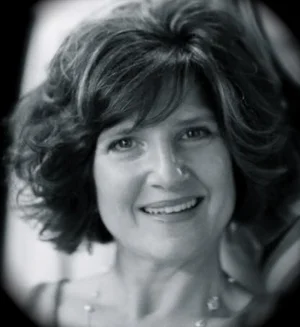
Darcy Plunkett is a licensed therapist and the founder of Deeper Level Healing. She specializes in protective patterns, attachment, and the kind of deep transformation that goes beyond insight into actual change. She writes about what it means to heal from the inside out, and she is actively living that question herself.